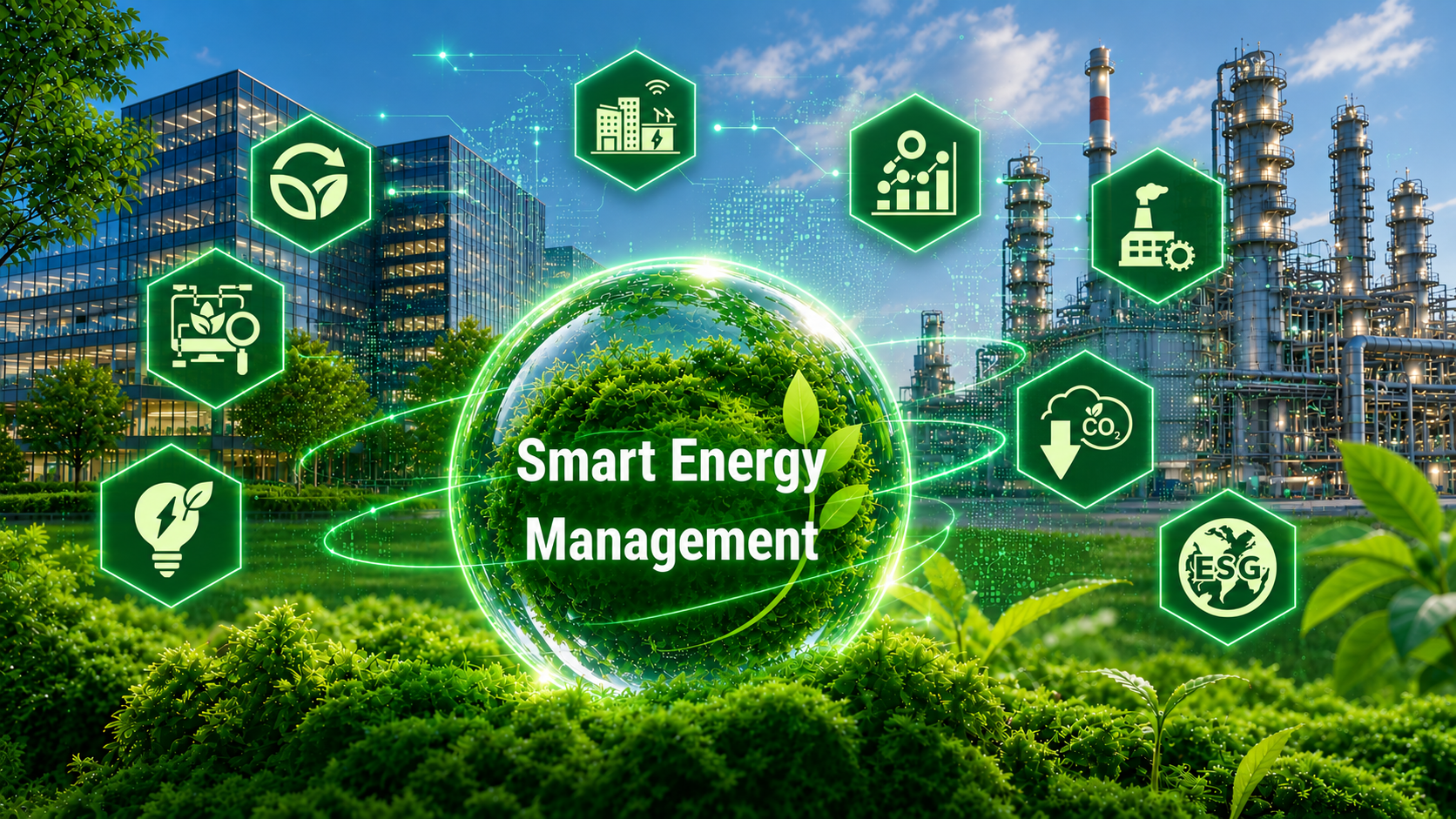
With rising energy costs, growing environmental accountability, and increasingly complex operational demands, organisations are rethinking how they manage their facilities and assets. The convergence of energy monitoring, predictive maintenance, and sustainability strategies has become the foundation for resilient, efficient, and future-ready operations. Together, they help businesses balance performance, cost, and environmental impact through real-time data, analytics, and intelligent automation.
The Growing Need for Energy Management Solutions
Energy is one of the most significant operational costs for industries, commercial facilities, and large-scale enterprises. Traditional approaches often rely on periodic reviews, manual reporting, and fragmented monitoring systems. These methods can lead to inefficiencies, high energy costs, and difficulties in maintaining sustainability standards.
Modern organizations require a holistic approach that combines technology, data analytics, and actionable insights. Energy management solutions provide the tools and infrastructure to monitor, analyze, and optimize energy consumption in real time, ensuring operational continuity and environmental responsibility.
Key benefits of implementing advanced energy management solutions include:
- Reduced energy costs By tracking consumption patterns and identifying inefficiencies, organizations can reduce energy wastage and optimize resource allocation.
- Enhanced operational reliability: Continuous monitoring of critical systems ensures early detection of anomalies, preventing unplanned downtime.
- Sustainability compliance: Energy management systems help organizations adhere to regulatory standards, ESG requirements, and environmental sustainability targets.
- Data-driven decision-making: Real-time analytics empower organizations to make informed decisions on energy usage, capital investments, and sustainability initiatives.
What is Smart Energy Management?
Smart energy management refers to the application of intelligent systems, data analytics, and automated controls to optimize energy consumption. Unlike traditional energy management practices, which rely on manual reporting and periodic audits, smart energy management leverages technology to provide real-time visibility into energy usage across operations, facilities, and equipment.
- IoT-enabled energy monitoring systems: Sensors and meters continuously collect data on energy consumption, equipment performance, and environmental conditions.
- Predictive analytics: Advanced algorithms analyze historical and real-time data to predict equipment failures, energy spikes, or inefficiencies.
- Automated controls: Systems can dynamically adjust energy loads, switch between energy sources, and optimize HVAC, lighting, and industrial machinery operations.
- Integration with sustainability goals: Smart energy management aligns operational efficiency with ESG and environmental sustainability objectives, including CO₂ reduction targets.
Role of Energy Monitoring Systems
Energy monitoring systems are the backbone of any effective energy management strategy. These systems provide granular insights into energy consumption at multiple levels—facility-wide, departmental, and equipment-specific. By continuously collecting and analyzing energy data, organizations can identify trends, inefficiencies, and opportunities for optimization.
- Real-time visibility Stakeholders can track energy usage as it happens, rather than relying on delayed reports.
- Anomaly detection: Sudden spikes in energy consumption or equipment malfunction can be detected and addressed promptly.
- Actionable insights: Detailed dashboards and reports provide guidance for energy-saving initiatives and investment decisions.
- Regulatory compliance: Continuous monitoring ensures that facilities meet local and international sustainability standards.
Driving Environmental Sustainability through Energy Optimization
Environmental sustainability has become a central focus for organizations worldwide. Reducing energy consumption and optimizing resource usage directly contribute to minimizing the carbon footprint of operations. Implementing energy management solutions and smart energy management strategies supports several sustainability objectives:
1. Reducing Carbon Emissions
Energy-intensive operations are significant contributors to greenhouse gas emissions. Smart energy management and monitoring systems help organizations identify areas of high energy consumption, switch to cleaner energy sources, and adopt energy-efficient practices. This leads to measurable reductions in CO₂ emissions, aligning operations with global climate goals.
2. Efficient Resource Management
Energy efficiency goes hand in hand with responsible resource management. By optimizing the use of electricity, water, and other utilities, organizations reduce waste, lower costs, and enhance the overall sustainability of operations. Energy monitoring systems provide detailed data to guide these efforts effectively.
3. Waste Reduction
Smart energy management enables real-time control over industrial processes, HVAC systems, and lighting. Automated adjustments based on occupancy, production schedules, or environmental conditions prevent unnecessary energy consumption, reducing both operational costs and environmental impact.
4. Compliance with ESG and Regulatory Standards
Environmental, social, and governance (ESG) frameworks are becoming increasingly mandatory for businesses. Energy management solutions help organizations maintain compliance with these standards by providing comprehensive reporting on energy usage, emissions, and sustainability performance.
Predictive Maintenance and Energy Efficiency
An often-overlooked aspect of energy optimization is predictive maintenance. Equipment inefficiencies, breakdowns, and underperforming systems are major drivers of excess energy consumption. By integrating predictive maintenance with energy management, organizations can:
- Detect early signs of equipment wear or malfunction.
- Prevent unplanned downtime and energy wastage.
- Extend the operational lifespan of critical systems such as HVAC, pumps, compressors, and production machinery.
- Improve overall energy efficiency and operational reliability.
Real-World Applications of Energy Management Solutions
Energy management solutions and smart energy monitoring systems are applicable across industries and facility types:
Commercial Buildings
For offices, malls, and other commercial facilities, energy management systems enable optimized HVAC, lighting, and occupancy controls, ensuring comfort while reducing energy bills. Real-time dashboards help facility managers make data-driven decisions that align with green building standards.
Data Centers
Data centers are highly energy-intensive environments. Energy monitoring systems provide detailed insights into power usage, thermal loads, cooling efficiency, and backup systems, allowing operators to optimize PUE (Power Usage Effectiveness) and reduce environmental impact.
Healthcare Facilities
Hospitals require reliable energy and environmental conditions for patient safety. Energy management solutions track HVAC performance, indoor air quality, and equipment energy usage to ensure continuous, efficient, and sustainable operations.
Pharmaceuticals and Life Sciences
Strict environmental control is essential in labs and pharma manufacturing. Energy monitoring and smart management solutions ensure compliance with regulatory requirements while optimizing energy use across complex production processes.
Food and Beverage Industry
Efficient energy management in food production preserves product integrity, reduces wastage, and streamlines utilities. Real-time monitoring supports sustainable practices and compliance with health and safety standards.
Key Features of Smart Energy Management Solutions
Implementing energy management solutions requires a comprehensive approach that combines hardware, software, and analytics capabilities. Key features include:
- IoT-enabled sensors and meters for granular energy monitoring.
- Real-time dashboards with drill-down insights at the equipment or departmental level.
- Predictive analytics for equipment performance and energy anomalies.
- Automated controls for lighting, HVAC, and industrial machinery.
- Integration with sustainability reporting and ESG compliance frameworks.
- Alerts and notifications for unusual energy patterns or maintenance requirements.
The Business Case: ROI and Cost Optimization
- Reduced energy costs and improved operational efficiency.
- Extended equipment lifespan and lower maintenance expenses.
- Minimized unplanned downtime and operational disruptions.
- Enhanced compliance with sustainability regulations, avoiding potential penalties.
- Improved ESG scores, strengthening brand reputation and investor confidence.
Transforming Data into Actionable Insights
Data is at the heart of modern energy management. Smart systems collect, process, and present energy and operational data in a way that empowers decision-makers. With actionable insights, organizations can:
- Identify and address energy inefficiencies immediately.
- Prioritize investments in high-impact systems or upgrades.
- Track sustainability objectives and ESG metrics accurately.
- Support strategic decision-making across multiple facilities or production units.
Aligning with Environmental Sustainability Goals
Smart energy management systems enable organizations to align operational practices with broader environmental sustainability initiatives. By continuously tracking energy usage, emissions, and resource consumption, businesses can:
- Meet or exceed regulatory requirements.
- Achieve ISO 14001 or similar environmental management certifications.
- Reduce overall carbon footprint and environmental impact.
- Promote a culture of sustainability across employees and stakeholders.
By transforming energy data into actionable strategies, organizations can make a meaningful contribution to global environmental goals while achieving tangible operational benefits.
In today’s competitive and environmentally conscious business landscape, energy management is no longer optional. Adopting energy management solutions, smart energy management, and energy monitoring systems enables organizations to optimize energy use, enhance operational reliability, and drive environmental sustainability.
The convergence of energy monitoring, predictive maintenance, and sustainability represents the next evolution in operational excellence. It transforms facilities from passive infrastructure into living, learning ecosystems capable of anticipating challenges, optimising performance, and minimising environmental impact.
By embracing these technologies, organisations gain:
Efficiency: Reduced energy use and operational costs.
Reliability: Predictable maintenance and uptime.
Sustainability:Lower emissions and enhanced ESG compliance.
Resilience:The agility to adapt to market, environmental, and technological shifts.
The vision is clear: a connected operation that is efficient, sustainable, and adaptive, powered by insight, driven by intelligence, and aligned with the planet’s well-being. As digital transformation accelerates, the interplay between energy management and environmental monitoring will define the resilient enterprises of the future, where sustainability is not an afterthought but the core of operational intelligence.